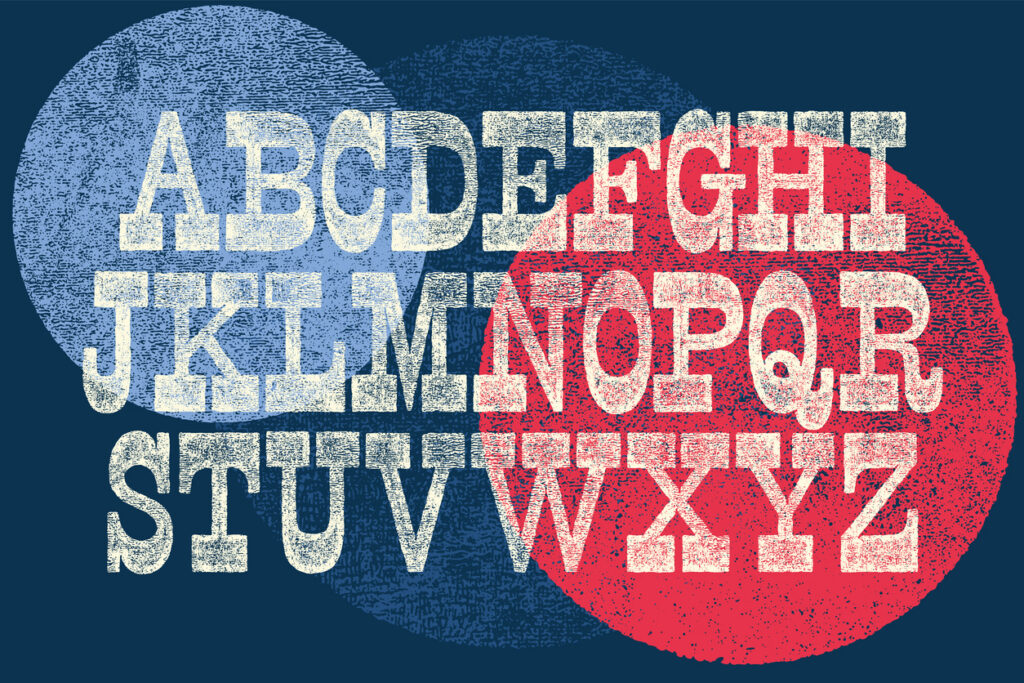
When choosing a font for a presentation, website, or publication, most people focus on appearance, not licensing. However, fonts are more than design elements. They are software products governed by specific usage rights. While a typeface refers to the visual design of characters, a font is the software that enables that design to be displayed and used. Because fonts are licensed software, using them without the appropriate permissions can create legal and compliance risks.
Understanding the basics of font licensing can help Berkeley Lab employees make informed choices and ensure their projects remain compliant.
Why Font Licensing Matters
A common misconception is that if a font is installed on a computer or available for download online, it is free to use for any purpose. In reality, font software is governed by licensing agreements that define how it can be installed, shared, embedded, and distributed.
When you purchase a commercial font, you are not buying ownership of the typeface itself. Instead, you are purchasing a license that grants permission to use the font under specific terms outlined in an End-User License Agreement (EULA). These terms vary by font foundry and may limit how, where, and by whom the font can be used.
Using fonts obtained from unverified websites can also introduce risks. Fonts downloaded from unofficial sources may be pirated, improperly licensed, or distributed without authorization. Using these fonts in Lab publications, websites, or software projects could expose the organization to copyright infringement claims or licensing violations.
Understanding Common Font Usage Restrictions
Font licenses often differ depending on how the font is used. For example:
- Desktop licenses: typically allow users to install fonts on individual workstations for creating static content such as reports, PDFs, presentations, graphics, and printed materials. These licenses are often restricted by the number of users or devices.
- Web licenses: govern fonts embedded into websites and may be based on monthly page views or traffic volume.
- Application licenses: are required when fonts are bundled into software applications, dashboards, or mobile apps. These licenses often have separate pricing and usage requirements.
Some font licenses may also restrict logo creation or modifications to letterforms without additional permissions.
Because licensing terms vary widely, employees should review licensing requirements carefully before incorporating commercial fonts into projects.
Open-Source Fonts: A Safer Alternative
One of the simplest ways to avoid licensing concerns is to use open-source fonts from trusted repositories such as Google Fonts.
Open-source fonts are generally available for both personal and commercial use, making them suitable for Berkeley Lab publications, presentations, websites, and research-related projects.
Two of the most common open-source licenses include:
- SIL Open Font License (OFL): Allows users to use, modify, embed, and distribute fonts at no cost.
- Apache License 2.0: Permits commercial use and distribution while requiring copyright and license notices to be retained when bundled with software.
Quick Compliance Checklist
Before selecting a font for your next project, consider the following:
- Verify where the font originated. Use trusted sources such as approved repositories like Google Fonts.
- Avoid downloading fonts from unverified “free font” websites.
- Determine how the font will be used—desktop publishing, web content, or software applications may require different licensing rights.
- Review the font’s license agreement to confirm your intended use is permitted.
- When in doubt, choose an open-source font licensed under the SIL Open Font License or Apache 2.0.
Key Takeaways
- Fonts are software and are subject to licensing agreements.
- Installing a font does not automatically grant unrestricted usage rights.
- Commercial font licenses often vary based on usage type, user count, web traffic, or application deployment.
- Open-source fonts from trusted repositories provide a low-risk alternative for most projects.
- Reviewing licensing requirements before using a font can help prevent compliance issues and protect Berkeley Lab work products.
By understanding font licensing and choosing approved font sources, Berkeley Lab employees can create professional materials while reducing legal and compliance risks.

